Business English Vocabulary · Lesson 19
Sound Professional When Discussing Rules and Regulations
From complying with regulations to dealing with grey areas: the phrases senior professionals use to talk about rules, laws and compliance – clear, precise and easy for everyone to understand.
Homework Do all the exercises, then send your answers to your teacher at the bottom of the page.
ARead: living with regulation
Read the text. Pay attention to the phrases in bold – you will need them in exercise B.
Why every business needs to understand the rules
Every business has to adhere to – or comply with – the rules that govern its industry, from data protection to health and safety. Large companies now employ whole compliance teams, whose job is to make sure that the business follows every law and regulation that applies to it.
Some rules are strict, or even stringent, with no exceptions and severe penalties. Others are more lenient: if you break them slightly, nothing much happens, or you just receive a warning.
Governments and regulators regularly impose new rules on companies, introducing them whether businesses like it or not. These measures can include new taxes, reporting requirements, fines and even bans. Once a law applies to your company, you are subject to it – you have no choice but to follow it.
After a scandal or a crisis, regulators often tighten regulations, making the existing rules stricter. And companies that breach regulations – in other words, break the rules – can face fines worth millions, as well as serious damage to their reputation.
BKey words from the text
Based on the context of the text, choose the phrase that matches each definition. Then complete the example sentence. You may need to change the form of the phrase.
CRead: asking the lawyers
Now read the meeting. The phrases in bold are for exercise D.
Can we use the data?
An online retailer wants to send customers personalised offers based on their browsing history. The Marketing Director is checking with the company’s General Counsel and the CEO.
MarcoMarketing DirectorIngrid, we’d like to start sending personalised offers based on what customers look at on our website. Is that allowed?
IngridGeneral CounselHonestly, it’s a grey area. The law doesn’t clearly say yes or no, and different lawyers interpret it differently.
MarcoSo there’s some room for manoeuvre? We could find a way to do it without actually breaking any rules?
IngridA little. But I would strongly prefer that we do this by the book – exactly as the rules say, with customers’ clear permission. Regulators are watching our sector closely, and we can’t get away with cutting corners the way companies could five years ago.
SanaCEOAgreed. And whatever we do has to align with our values. We’ve always promised customers that we respect their privacy, so the campaign needs to be in alignment with that promise.
IngridOne more thing. If we introduce new consent forms, let’s make the change across the board – in all twelve countries, not just here. It’s simpler, and it’s safer.
SanaGood. Marco, can you work with Ingrid on a version that ticks every box?
DKey words from the meeting
Based on the meeting, choose the phrase that matches each definition. Then complete the example sentence. You may need to change the form of the phrase.
ESay it better
Each sentence below is correct, but it sounds simple. Rewrite it using a phrase from this lesson, then compare your version with the model answer.
“We always follow the rules exactly.”
Use: by the book
Show model answer
“We always do things by the book.”
“The rules aren’t clear about this.”
Use: grey area
Show model answer
“Legally, this is a grey area.”
“The government made the rules stricter.”
Use: tighten
Show model answer
“The government has tightened the regulations.”
“The company broke the rules.”
Use: breach
Show model answer
“The company breached the regulations.”
“This change is for everyone in the company.”
Use: across the board
Show model answer
“This change applies across the board.”
“We have a little bit of flexibility.”
Use: room for manoeuvre
Show model answer
“We have some room for manoeuvre.”
FKey words in a new context
Complete the email from the Head of Compliance with the phrases from the box. You may need to change the form of some of the words.
Use it well
Three things professionals often mix up when they talk about rules.
Follow, comply with or adhere to?
Follow the rules – neutral and everyday.
Comply with the law – formal; common in legal contexts.
Adhere to standards or guidelines – formal.
The nouns are compliance and adherence.
Strict, stringent or lenient?
Strict – everyday word for rules with no exceptions.
Stringent – more formal; very strict and very detailed.
Lenient – the opposite: not strict.
Stringent safety rules, strict deadlines, a lenient judge.Impose on, subject to
You impose a rule, a tax, a fine or a ban on someone:
They imposed a ban on plastic bags.Subject to can also mean “depending on”:
The deal is subject to board approval.Glossary
All the phrases from this lesson.
Rules and regulators
- to adhere to / to comply withto follow a rule, a law or a standard
- compliancethe process of following rules and laws
- strict / stringentvery strict, allowing no exceptions
- lenientnot strict; allowing people to break rules slightly
- to imposeto officially introduce a rule, a tax or a punishment
- measuresofficial actions taken to deal with a problem
- subject toaffected by a rule, and required to follow it
- to tighten regulationsto make rules stricter
- to breach regulationsto break rules or laws
Rules in practice
- a grey areaa situation in which the rules are not clear
- room for manoeuvresome flexibility to act in a different way
- by the bookexactly according to the rules
- can’t get away withnot able to do something wrong without being punished
- to align with / to be in alignment withto fit with or match a plan, a rule or a value
- across the boardaffecting everyone or everything
Send your homework
When you have finished all the exercises, copy your answers and send them to your teacher.
- Type your name.
- Press Copy my answers.
- Paste them into an email or message to your teacher.
Knowing the phrase is step one. Using it in the meeting is step two.
One-to-one Business English coaching for C1/C2 executives and founders.

© Copyright Fluency Space. All Rights Reserved
OptimizePress Popup Overlay
the fluency space acadademy
Be one of the first 50 to join and get a huge discount!

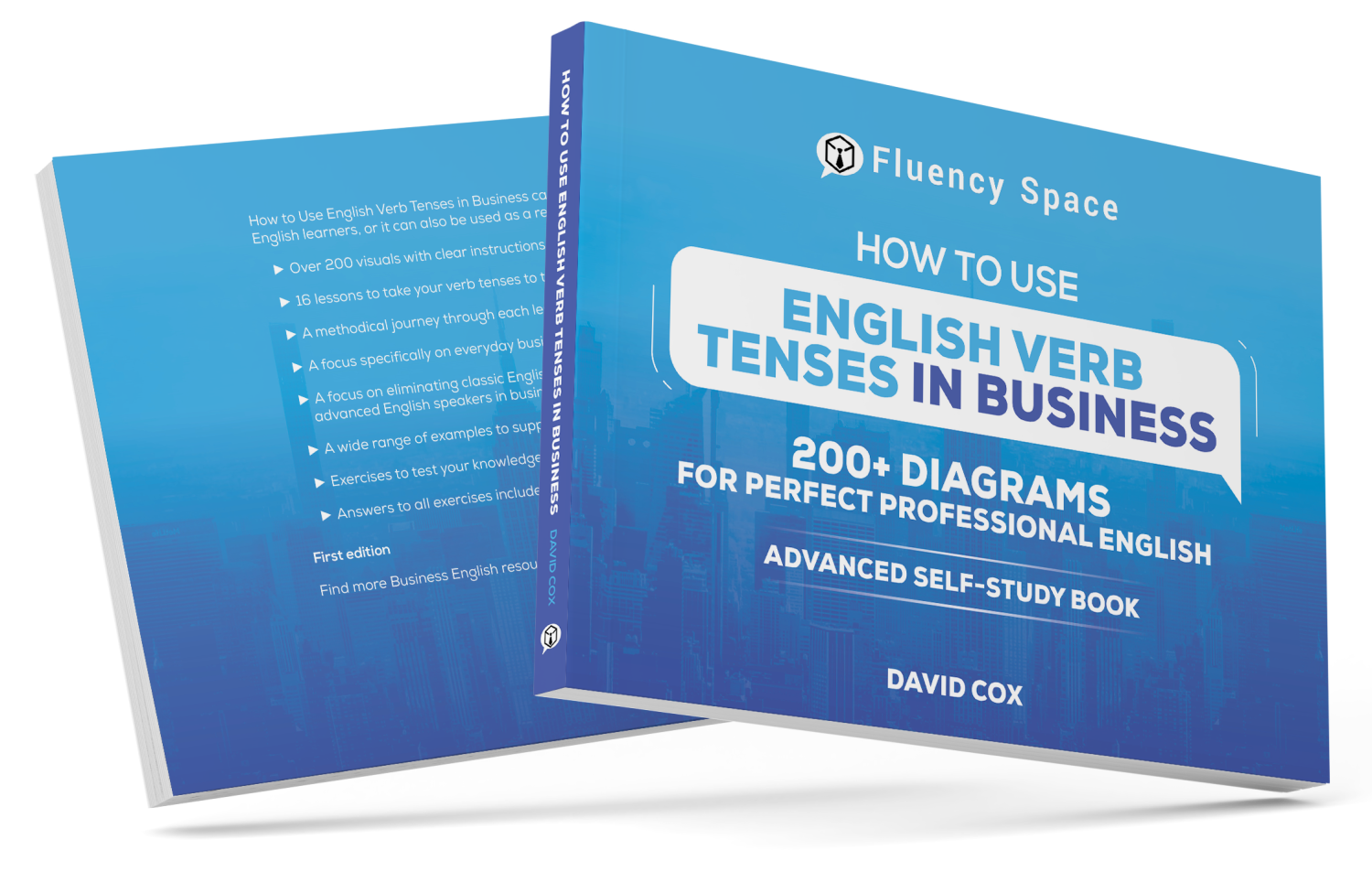
Your advanced English training center. Over 600 pages of PDFs. over 250 diagrams and hundreds of exercises. 32 Vocabulary lessons covering the 400 most important phrases for advanced Business, 2x monthly Adapted Business English texts, 2x monthly YouTube listening lessons, 'How to Use English Verb Tenses in Business' textbook.
All of this and much more for only $5.99 per month. Cancel anytime!