Business English Vocabulary · Lesson 11
Sound Professional When Discussing Budgets
From allocating resources to keeping a lid on costs: the phrases senior professionals use to plan budgets, discuss spending and explain cutbacks – clear, precise and easy for everyone to understand.
Homework Do all the exercises, then send your answers to your teacher at the bottom of the page.
ARead: planning the budget
Read the text. Pay attention to the phrases in bold – you will need them in exercise B.
Why setting a budget is harder than it looks
Few managers enjoy setting budgets. Deciding how much money each team can spend over the next twelve months means making difficult choices, and someone always ends up disappointed.
The first problem is that it is difficult to acquire or obtain the money and resources you need. There is never quite enough to go around, so every department has to compete for its share.
The second problem is that ambitious plans often turn out not to be feasible. An idea may look excellent on paper, but if the company cannot realistically afford it, it simply is not viable. Part of setting a budget is finding out which plans can actually work.
Then comes the hardest part: allocating resources. Leaders have to decide how much money, time and how many people each project receives. Those decisions should align with the company’s strategic objectives – in other words, the money should go where the strategy says it matters most.
At the same time, it is dangerous to focus everything on a single objective. A company that invests its entire budget in one product or one market is putting all its eggs in one basket: if that one area fails, there is nothing to fall back on.
Finally, a good budget leaves room for the unexpected. A project that suddenly needs far more money, time or staff than planned can put a strain on resources, leaving other teams without what they need to do their jobs.
BKey words from the text
Based on the context of the text, choose the phrase that matches each definition. Then complete the example sentence. You may need to change the form of the phrase.
CRead: controlling spending
Now read the email from a finance director. The phrases in bold are for exercise D.
Dear all,
As you know, sales in the third quarter were lower than forecast, so we are now working under tight budget constraints: there is simply less money available than we planned for.
Several departments have already exceeded their budgets for the year, which means they have spent more than they were given. For the next three months, it is essential that every team stays within its budget. If you expect to go over, please tell me before it happens, not after.
To help with this, I am asking every department to keep a lid on costs – please don’t let spending rise above its current level. In particular, I would like everyone to cut down on travel and external consultants, and to use video calls wherever possible.
Some areas need firmer action. Marketing spending has grown much faster than planned, so we now need to rein it in and bring it back under control. The board has also agreed to make cutbacks in two areas: the office refurbishment is postponed, and we will not be renewing three software licences.
The good news is that we still have our contingency budget – the money we set aside at the start of the year for unexpected costs. It will be used only for genuine emergencies.
Thank you for your support. If we are careful now, we will start next year in a much stronger position.
Best regards,
Martin
DKey words from the email
Based on the email, choose the phrase that matches each definition. Then complete the example sentence. You may need to change the form of the phrase.
ESay it better
Each sentence below is correct, but it sounds simple. Rewrite it using a phrase from this lesson, then compare your version with the model answer.
“We spent more money than we were given.”
Use: exceed
Show model answer
“We exceeded the budget.” or “We exceeded our budget by 10%.”
“We need to spend less money on travel.”
Use: cut down on
Show model answer
“We need to cut down on travel.”
“This plan is too expensive for us. It won’t work.”
Use: feasible or viable
Show model answer
“With our current budget, this plan simply isn’t feasible.” or “…isn’t viable.”
“We shouldn’t put all our money into one market.”
Use: eggs
Show model answer
“We shouldn’t put all our eggs in one basket.”
“Spending has gone out of control. We need to stop it.”
Use: rein in
Show model answer
“Spending has grown too quickly. We need to rein it in.” or “We need to rein in spending.”
“Let’s keep some extra money in case something goes wrong.”
Use: contingency
Show model answer
“Let’s set aside a contingency budget, just in case.”
FKey words in a new context
Three managers are planning next year’s budget. Complete the meeting with the phrases from the box. You may need to change the form of some of the verbs.
Use it well
Three things professionals often get wrong when they talk about budgets.
Feasible or viable?
Feasible means it can be done with the time, money and people you have.
Is a March launch feasible?Viable also means it will work long-term, especially financially.
Is this a viable business model?Lid, rein or cut?
Keep a lid on – stop it rising.
Rein in – it has already risen too much; bring it back under control.
Cut down on – reduce one particular thing.
Keep a lid on costs, rein in marketing spending, cut down on travel.Budget without “the”
These common phrases don’t need an article:
We’re over budget. We finished on budget. We stayed within budget.With exceed, use an article or a possessive: exceed the budget, exceed our budget.
Glossary
All the phrases from this lesson.
Planning the budget
- to set a budgetto decide how much money a team or project can spend over a period of time
- to acquire / to obtainto get something, especially money, resources or approval
- feasible / viablepossible and realistic to do; able to work or succeed
- to allocate resourcesto decide how much money, time and how many people each project receives
- to align withto fit with or support a plan, goal or strategy
- to put all your eggs in one basketto risk everything by depending on one single plan, product or market
- to put a strain on resourcesto use so much money, time or staff that it causes problems elsewhere
Controlling spending
- budget constraintslimits on how much money is available
- to exceed the budgetto spend more money than you were given
- to stay within the budgetto spend no more money than you were given
- a contingency budgetmoney set aside in advance for unexpected costs
- to keep a lid onto stop costs or spending from rising
- to cut down onto reduce the amount of a particular thing you use or spend money on
- to make cutbacksto make official reductions in spending
- to rein into bring spending that has grown too much back under control
Send your homework
When you have finished all the exercises, copy your answers and send them to your teacher.
- Type your name.
- Press Copy my answers.
- Paste them into an email or message to your teacher.
Knowing the phrase is step one. Using it in the meeting is step two.
One-to-one Business English coaching for C1/C2 executives and founders.

© Copyright Fluency Space. All Rights Reserved
OptimizePress Popup Overlay
the fluency space acadademy
Be one of the first 50 to join and get a huge discount!

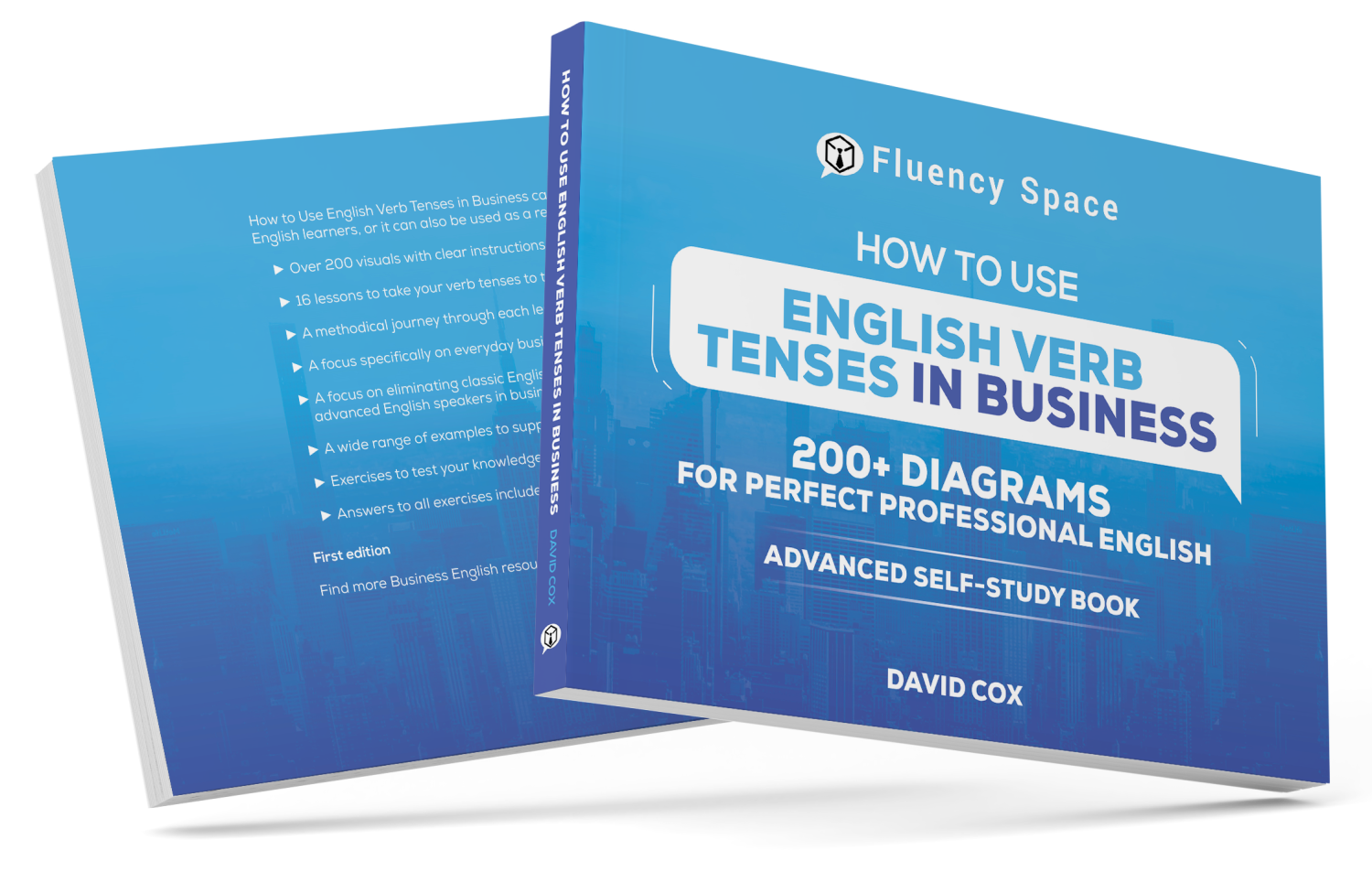
Your advanced English training center. Over 600 pages of PDFs. over 250 diagrams and hundreds of exercises. 32 Vocabulary lessons covering the 400 most important phrases for advanced Business, 2x monthly Adapted Business English texts, 2x monthly YouTube listening lessons, 'How to Use English Verb Tenses in Business' textbook.
All of this and much more for only $5.99 per month. Cancel anytime!