Lesson 3.3 · From the past to the present
‘Have you ever…?’ and ‘never’: present perfect or past simple
‘Have you ever…?’ is one of the most useful questions in business small talk – at conferences, client dinners and networking events. Here is when to use it, and when the past simple is the better choice.
From How to Use English Verb Tenses in Business by David Cox · 200+ diagrams for professional English
‘Have you ever…?’ in small talk
Often when we ask questions with ‘ever’, we use the present perfect. We are asking about any time in someone’s life up to now – and there is still a chance it can happen in the future.
We’re here from Italy. Have you ever been to Italy?
Present perfect to ask about any time in someone’s life up to now(it can still happen in the future)
Have you visited this conference before, or is it your first time?
Present perfect to ask about any time in someone’s life up to now(it can still happen in the future)
Have you ever heard of…?
Present perfect to ask about any time in someone’s life up to now(it can still happen in the future)
Have you ever seen the film The Matrix?
Present perfect to ask about any time in someone’s life up to now(it can still happen in the future)
‘Have you ever…?’ or ‘Did you ever…?’
Sometimes we add a timeframe or context, which means that we can use the past simple. If the event can happen again within the timeframe or context given, we use the present perfect. If not, we use the past simple.
Past simpleNo chance that it will happen in the context given
Did you visit the main Shanghai expo last year?
Present perfectThere is a chance that it can happen in the future
Have you visited the Shanghai expo before?
Past simpleNo chance that it will happen in the context given
Did you visit the cathedral while you were in Barcelona?
Present perfectThere is a chance that it can happen in the future
Have you ever visited the cathedral in Barcelona?
Past simpleNo chance that it will happen in the context given
Did you ever try the famous dessert while you were in Dubai?
Present perfectThere is a chance that it can happen in the future
Have you ever tried our famous local dessert?
Present perfect or past simple with ‘never’
The same rule works with ‘never’. Is the context finished, or can it still happen?
Past simpleNo chance that it will happen in the context given
My previous team never missed a deadline.
Present perfectThere is a chance that it can happen in the future
My current team has never missed a deadline.
Other example: Our previous CFO never approved a budget increase. Our new CFO has never approved a budget increase.
‘Never’ in a finished period, or in your whole career
With a finished period – a previous role, a time in another job – we use the past simple. Across your whole career, which is still going, we use the present perfect.
Past simpleNo chance that it will happen in the context given
I never had to make anyone redundant in my first management role.
Present perfectThere is a chance that it can happen in the future
I’ve never had to make anyone redundant.
Other example: I never negotiated directly with investors when I was COO. I’ve never negotiated directly with investors.
Practise this lesson
Test yourself on ‘ever’ and ‘never’ with sentences from real meetings, emails and updates.
Teachers: use these diagrams
You are welcome to use these diagrams in your lessons and materials. Please credit Fluency Space with a link to this page.
Diagram: Fluency Space – fluencyspace.com/grammar/verb-tenses/have-you-ever-never/Correct on paper is not the same as natural in the boardroom
One-to-one Business English coaching for C1/C2 executives and founders.
IN-DEPTH PROPOSAL BUILT WITH CARE
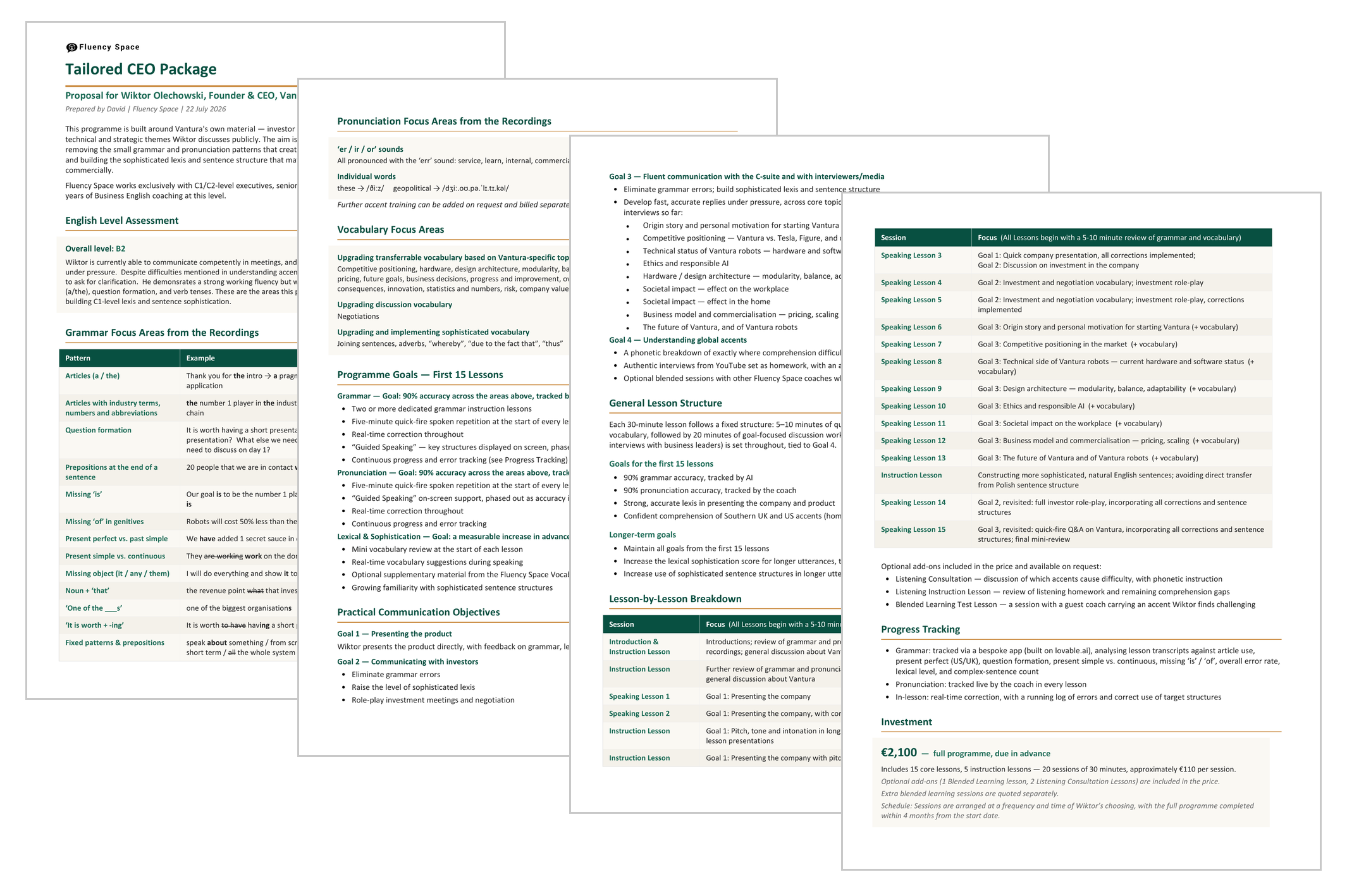
A Course Built around you
After your full English audit, we do a deep dive into your company, your role and your real communication goals - We then build a fully tailored program around them and send a proposal within 3 working days.

© Copyright Fluency Space. All Rights Reserved
OptimizePress Popup Overlay
the fluency space acadademy
Be one of the first 50 to join and get a huge discount!

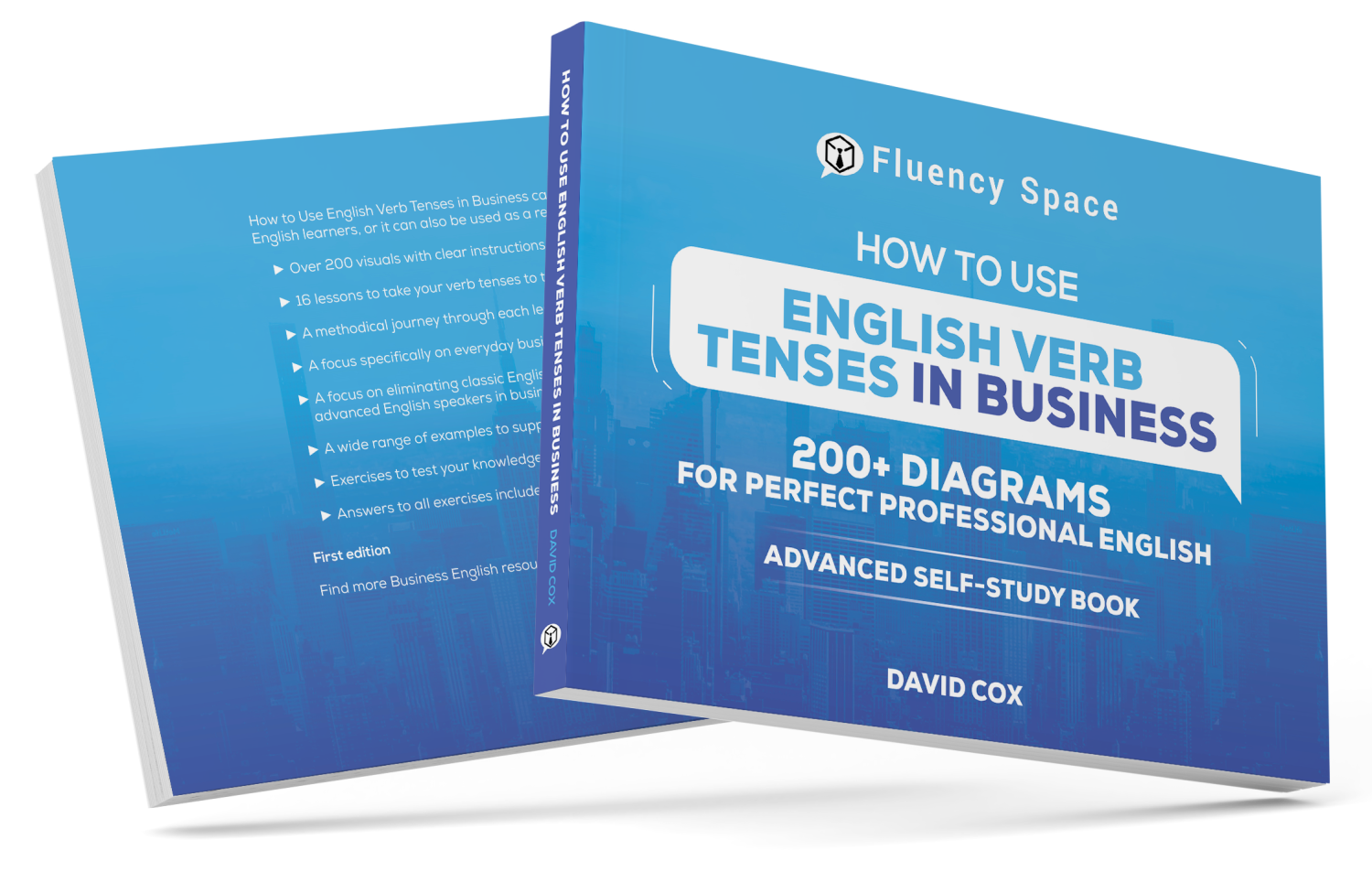
Your advanced English training center. Over 600 pages of PDFs. over 250 diagrams and hundreds of exercises. 32 Vocabulary lessons covering the 400 most important phrases for advanced Business, 2x monthly Adapted Business English texts, 2x monthly YouTube listening lessons, 'How to Use English Verb Tenses in Business' textbook.
All of this and much more for only $5.99 per month. Cancel anytime!