C1 Business English · Leadership
Boredom: The Hidden Engine of Creativity
Most of us reach for our phones the moment we feel bored. But what if boredom is a signal worth listening to? This C1 Business English lesson uses research on boredom to build vocabulary for discussing creativity, innovation and how leaders get the best from their teams.

Homework Do all the exercises, then send your answers to your teacher at the bottom of the page.
What business leaders can learn from the story
Boredom is not just a problem to fix as quickly as possible. It is a signal that we want something more engaging. Leaders who protect time for thinking, instead of filling every minute with emails and meetings, give their teams the space to step back, spot problems and come up with new ideas.
AWarm up
Before starting the Business English lesson, discuss these with a partner or your teacher.
- How often do you feel bored?
- What do you think could be some advantages and disadvantages of boredom?
BRead the text
Boredom: The Hidden Engine of Creativity
In 2014, researchers in the US asked people to sit quietly with their thoughts for just 15 minutes. The only thing in the room was a button that gave a small electric shock.
Surprisingly, almost half of the participants pressed it. One man pressed it 190 times even though it was really unpleasant. The researchers concluded that people prefer doing something instead of nothing, even if what they are doing has detrimental consequences. It seems that when our attention isn’t occupied, we easily fall into unwanted thoughts and counter-productive behaviour.
Since smartphones became part of daily life, most of us have been carrying around the modern version of that shock button. With a quick swipe, we can get rid of boredom in seconds. One study in the Netherlands showed that people who were bored at work reached for their phones almost as a reflex—and then felt even more bored afterward. Scrolling only made the situation worse.
Of course not all distraction, or even scrolling, is detrimental. Thinking too much about our worries can harm our mental health. But is it worth taking a step back and questioning whether we are missing out on something by avoiding our own thoughts?
Most psychologists agree that boredom can be unpleasant—but also useful. Boredom signals us to seek something more engaging or purposeful. If we ignore that signal, great ideas, innovations or solutions to our problems could be slipping through the net.
Boredom causes people to experiment and pursue new, exciting or even risky opportunities, something which could be harnessed in business or career by launching new projects, entering unfamiliar markets, or engaging in disruptive innovation.
When these new exciting experiences are not open to us, it can lead to depression, anxiety, and low motivation, which could be extremely detrimental for a business. So it makes sense for bosses to keep boredom as part of the workplace conversation with regular check-ins and feedback.
But how can we deal with this, or harness this powerful force in the workplace?
Psychologists suggest that companies should create environments where employees can experiment. One idea, made famous by Google, is to let employees spend up to 20% of their time on side projects, such as exploring exciting ways to help the business grow.
Taking this one step further, one team of researchers has suggested introducing “boredom periods”, during which companies could allocate a regular time each day when employees are not expected to answer emails, attend meetings, or complete any tasks. Some employees may benefit from prompts during boredom periods, such as: What problem have I been stuck on this week? Sometimes, doing nothing and taking a step back from hyper-responsiveness is exactly what we need in order to think outside the box.
So next time we are bored, instead of trying to kill it instantly, we could embrace it and sit with it for a little while. We may discover so much unexplored purpose and creativity!
CKey words from context
Based on the context of the article, can you match the words in the box to the definitions listed below? Then add the word into the example sentence. You may need to change the form of the word to fit the meaning of the sentence.
DComprehension
Can you answer the questions below about the text? Then compare your answer with the model answer.
What was so shocking about the 2014 experiment?
Show model answer
Almost half of the participants chose to give themselves an electric shock rather than sit quietly with their thoughts for just 15 minutes. One man pressed the button 190 times, even though it was really unpleasant. It showed that people prefer doing something to doing nothing, even when it hurts them.
What comparison is made between smartphones and the 2014 experiment?
Show model answer
The article calls the smartphone the modern version of the shock button. Like the button, it gives us a quick way to escape boredom, but it doesn’t really help: people who reached for their phones when they were bored at work felt even more bored afterward.
True or false: according to the article, scrolling social media is always detrimental to mental health.
Show model answer
False. The article says that not all distraction, or even scrolling, is detrimental. Thinking too much about our worries can harm our mental health, so sometimes a distraction can help.
Based on the whole article, what are some of the potential downsides to reaching for our phones when we feel bored?
Show model answer
- It doesn’t cure boredom; we may feel even more bored afterward.
- We ignore the signal that boredom gives us, so great ideas, innovations or solutions to our problems could slip through the net.
- We lose the chance to take a step back, think about our own problems and think outside the box.
What are two ways that companies can take advantage of boredom in the workplace, and how effective do you think these methods could be?
Show model answer
1. Side projects: letting employees spend up to 20% of their time on their own projects, as Google made famous. 2. Boredom periods: a regular time each day with no emails, meetings or tasks, perhaps with a prompt such as “What problem have I been stuck on this week?”
Example opinion: I think side projects could work well in tech or creative companies, but they would be hard in teams with heavy workloads. Boredom periods are cheap and easy to try, but managers would need to protect that time, or people would just use it to catch up on emails.
EKey words in a new context
Below you can find a text. Can you fill in the gaps in the paragraph with the words and phrases from the box below?
Glossary
Key words from the article.
- a purposethe reason or intention behind an action or project
- purposefuldeliberately focused and meaningful in approach
- to embraceto accept a new idea, plan, or method willingly
- detrimentalharmful or causing problems for results or performance
- counter-productivecausing the opposite effect of what is wanted
- to seekto look for or try to get something
- to pursueto follow a goal or continue trying to reach it
- to harnessto use skills, resources, or tools in a useful way
- to allocateto give resources, time, or money to a task or project
- to slip through the netto escape or be missed by a system that checks for problems
- to take one step furtherto improve something to a higher level or go beyond the first stage
- to take a step backto pause and think before making a decision or taking action
- to think outside the boxto come up with new or unusual ideas to solve problems
Send your homework
When you have finished all the exercises, copy your answers and send them to your teacher.
- Type your name.
- Press Copy my answers.
- Paste them into an email or message to your teacher.
Knowing the word is step one. Using it under pressure is step two.
One-to-one Business English coaching for C1/C2 executives and founders.

© Copyright Fluency Space. All Rights Reserved
OptimizePress Popup Overlay
the fluency space acadademy
Be one of the first 50 to join and get a huge discount!

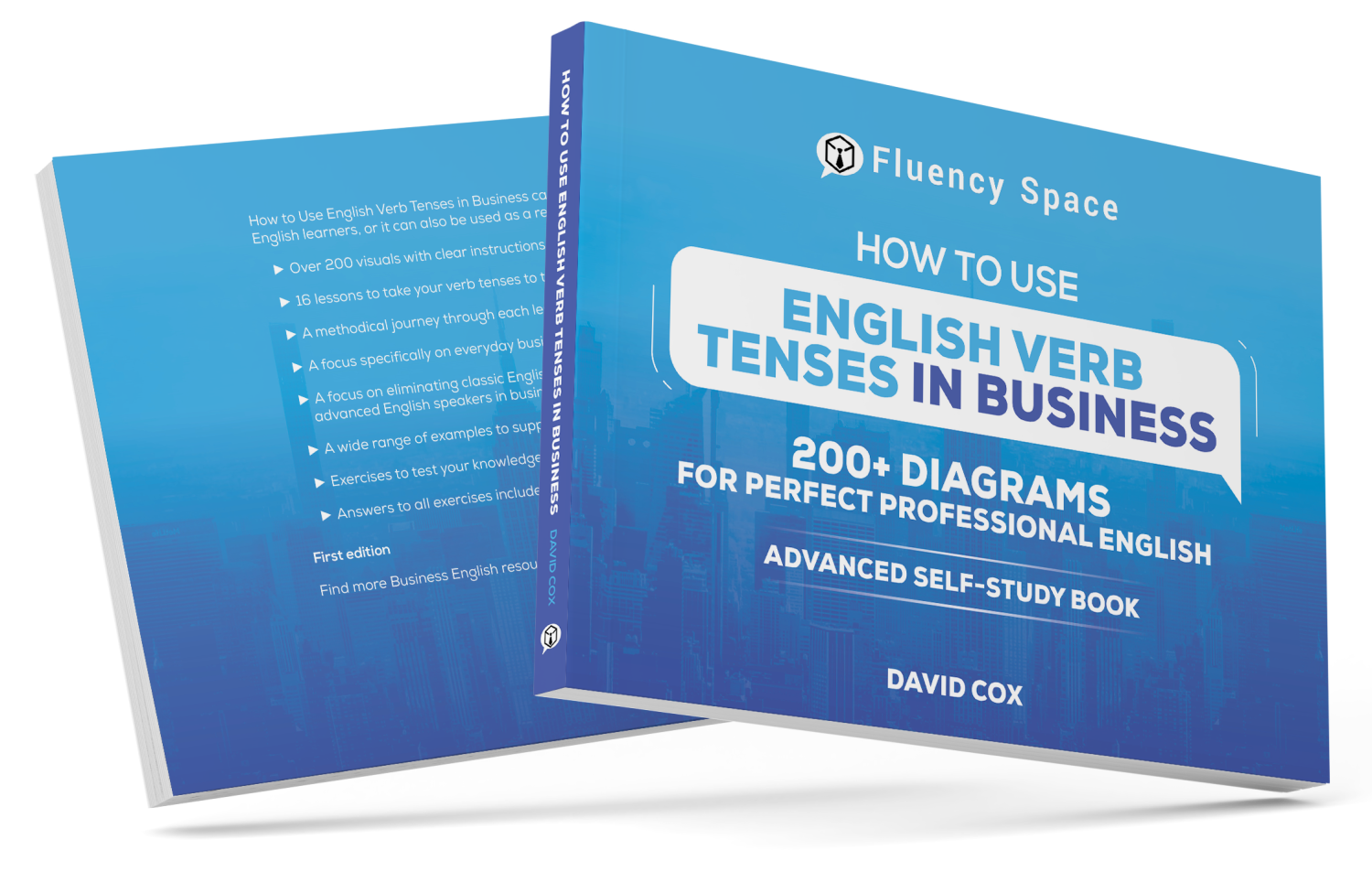
Your advanced English training center. Over 600 pages of PDFs. over 250 diagrams and hundreds of exercises. 32 Vocabulary lessons covering the 400 most important phrases for advanced Business, 2x monthly Adapted Business English texts, 2x monthly YouTube listening lessons, 'How to Use English Verb Tenses in Business' textbook.
All of this and much more for only $5.99 per month. Cancel anytime!