Articles · a, an and the
Where people miss a/the in Business English
Most missing articles aren’t a knowledge problem. You know the rule. The article goes missing because something gets in the way: an adjective, a company name, a number. Here are the six places it happens most in meetings, emails and presentations.
Diagrams by David Cox, Fluency Space · Business English for executives
Every singular noun needs a ‘friend’
A singular countable noun can’t stand alone. Look for the noun at the end of the phrase, then check that it has a friend in front of it, however many words sit in between.
1Every singular noun must have a ‘friend’
The friend is a small word called a determiner: a, an, the, this, our, each, my, every and so on. Adjectives in the middle don’t replace it.
Every singular noun must have a small word (a determiner) with it, even if there are adjectives in between. We can say that every singular noun needs a ‘friend’.
2‘The’ with countries and organisations
Most country names don’t take the. But some names are built around an ordinary noun – states, kingdom, union – and that noun needs its friend.
Most countries, such as Brazil or South Africa, are names, so they don’t need ‘the’. Some countries have nouns in them, so they need ‘the’ to go with the noun.
The ‘the’ stays with the short form too: We export to the UAE. She works for the EU. No noun, no ‘the’: We export to Germany, Japan and Brazil.
3‘The’ with names
Department names, brands, cities and regions often sit in the middle of a phrase. People see the name, think “names don’t take the”, and drop it. But the name isn’t the noun.
‘The’ is needed with the singular noun at the end of the phrase, not with the name in the middle.
Compare: I attended Frankfurt Book Fair ✗ → I attended the Frankfurt Book Fair ✓ · I was in Frankfurt ✓ (just a name)
4‘A’ with lengths of time
A number in the middle makes the phrase feel plural, so the a disappears. But 20-minute is working as an adjective. The noun is still one meeting.
‘A’ is needed with the singular noun at the end of the phrase, not with the time phrase in the middle.
A or an? Listen to the sound of the next word: an 8-week plan, an 11-month course, an hour-long call – but a 1-year contract (“one” starts with a /w/ sound).
5‘A’ with prices and percentages
The same thing happens with money and figures – which is why it shows up so often in reports, negotiations and results calls.
‘A’ is needed with the singular noun at the end of the phrase, not with the price or percentage in the middle.
Say it as you read it: a twenty per cent decrease, a two-million-dollar contract, an $8m deal (“an eight…”).
6‘The’ with months, years and seasons
A month, a year or a season in front of a noun is just a label that tells you which one. That makes it specific – so the noun takes the. This works with plural nouns too.
‘The’ is needed with the noun at the end of the phrase, not with the time word in the middle.
Without a noun after it, the date stands alone: Sales rose in 2022. We meet in December.
7‘A’ or ‘the’ with singular nouns: spot them in a paragraph
In real speech all of these patterns come at once. Follow each line from the friend to the noun it belongs to – sometimes it’s right next to it, sometimes five words away.
the friendthe singular nounthey belong together
Yesterday, I spoke to a hugely important figure from the IT industry. She is the leader of an extremely exciting new fintech firm in the UK. We had a quick 30-minute meeting to discuss the most influential and decisive factor in her success. The London-based company is a real leader in terms of personal finance management in a more complex modern financial world.
Every singular noun has something with it. Some nouns have a lot of adjectives in between, some have names in between and others have lengths of time in between. All of them need ‘a’, ‘the’ or another determiner.
Your turn: find the 10 missing articles
Someone wrote this update in a hurry and left out ten articles. Read it, find each noun that has lost its friend, and decide: a, an or the?
Last month, our CEO gave 45-minute presentation at Berlin investor conference. She announced $5m investment in new Warsaw office and 18-month expansion plan for UAE. 2025 results were strong, with 12% increase in revenue, so board approved bold new strategy for the whole region.
- Find the noun at the end of each phrase
- Look past numbers, names and dates
- Not every noun needs one
Check your answers
the missing articlethe noun it belongs tothey belong together
Last month, our CEO gave a1 45-minute presentation at the2 Berlin investor conference. She announced a3 $5m investment in the4 new Warsaw office and an5 18-month expansion plan for the6 UAE. The7 2025 results were strong, with a8 12% increase in revenue, so the9 board approved a10 bold new strategy for the whole region.
Why not the others? our CEO already has a friend (our). Revenue is uncountable, so it doesn’t need one. Last month is a time expression, and the whole region was already correct. Number 5 is an, not a, because 18 starts with a vowel sound (“eighteen”).
8‘A’ or ‘the’: the main rule
You now know every singular noun needs a friend. But which one? Both a and the talk about one thing. The difference is how many it could be.
One thing… from many possibilities
I have a great boss.
There are millions of great bosses in the world. My boss is one of them.
One specific thing… from only one possible option
There are three reasons why there can only be one.
-
We have just spoken about it
In the second sentence, there is only one boss we could be talking about, because we introduced them in the first sentence.
I have a great boss. She has been the boss here for 20 years.
-
The whole sentence makes it the only one
There is only one ‘best boss anyone could wish for’. Superlatives like best, biggest, most important nearly always take the.
She is the best boss anyone could wish for.
-
We both know which one
If we work in the same company and I say ‘the boss’, you know exactly which boss I mean. The same goes for the office, the board, the CEO.
I’ll speak to the boss.
Quick practice: a or the?
Choose the right article for each gap. When you get it right, you’ll see which rule it follows.
- We’ve just hired new sales director.
One of many: there are lots of sales directors; this is the first time we mention ours.
Not quite – think about how many it could be, and try again.
- I’ve just hired a new sales director. new director starts on Monday.
Reason 1: we’ve just spoken about her, so there’s only one director we could mean.
Not quite – think about how many it could be, and try again.
- This is biggest contract we’ve ever signed.
Reason 2: a superlative – there can only be one ‘biggest contract we’ve ever signed’.
Not quite – think about how many it could be, and try again.
- Can you send me report from yesterday’s meeting?
Reason 2: the rest of the sentence (from yesterday’s meeting) tells us exactly which report.
Not quite – think about how many it could be, and try again.
- I’ll ask CEO to sign it off.
Reason 3: we work in the same company, so we both know which CEO.
Not quite – think about how many it could be, and try again.
- Is there printer on this floor?
One of many: any printer will do – I don’t have a specific one in mind.
Not quite – think about how many it could be, and try again.
- She’s brilliant negotiator.
One of many: there are many brilliant negotiators; she is one of them.
Not quite – think about how many it could be, and try again.
- Our meeting room is on third floor.
Reason 2: the building has only one third floor. Ordinals (first, second, third) work like superlatives.
Not quite – think about how many it could be, and try again.
Before you send: a 10-second check
Read your email or slide once, looking only at the end of each phrase.
- 1. Find the nounLook past adjectives, names, numbers and dates to the last word of the phrase.
- 2. Is it singular and countable?If yes, it needs a friend: a, an, the, this, our, each…
- 3. Number in the middle?Hyphen, no -s, and keep the article: a 6-week plan.
- 4. Name with a noun inside?The noun takes ‘the’: the HR department, the UK.
- 5. A or the?One of many: a. The only one we could mean: the.
Teachers: use these diagrams
You are welcome to use these diagrams in your lessons and materials. Please credit Fluency Space with a link to this page.
Diagram: Fluency Space – fluencyspace.com/grammar/missing-a-the/Small words, big impression
Missing articles are the first thing native listeners notice. One-to-one Business English coaching for C1/C2 executives and founders.

© Copyright Fluency Space. All Rights Reserved
OptimizePress Popup Overlay
the fluency space acadademy
Be one of the first 50 to join and get a huge discount!

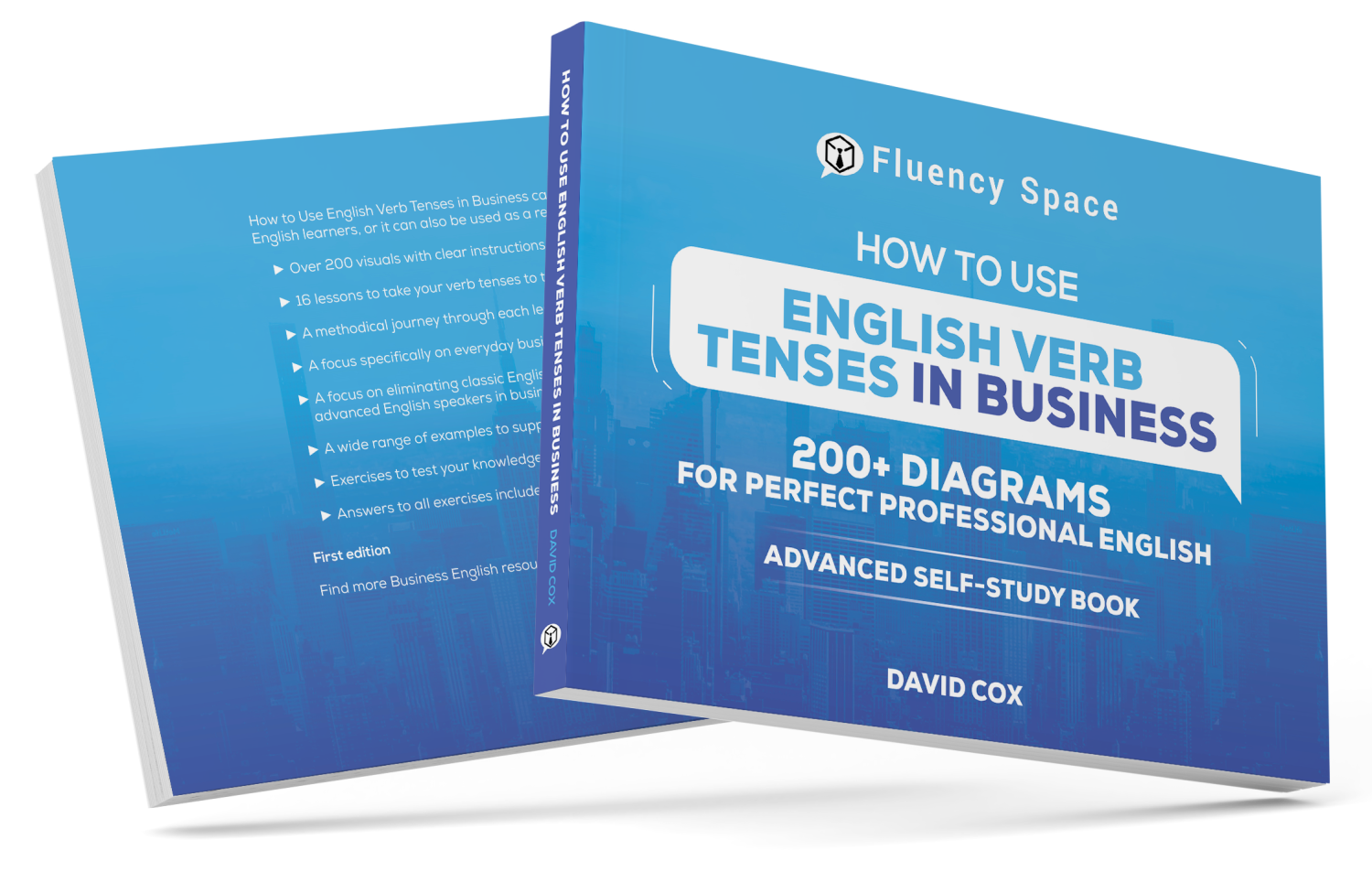
Your advanced English training center. Over 600 pages of PDFs. over 250 diagrams and hundreds of exercises. 32 Vocabulary lessons covering the 400 most important phrases for advanced Business, 2x monthly Adapted Business English texts, 2x monthly YouTube listening lessons, 'How to Use English Verb Tenses in Business' textbook.
All of this and much more for only $5.99 per month. Cancel anytime!